Wine Bar Near Empire State Building: Plan Your AYZA Visit
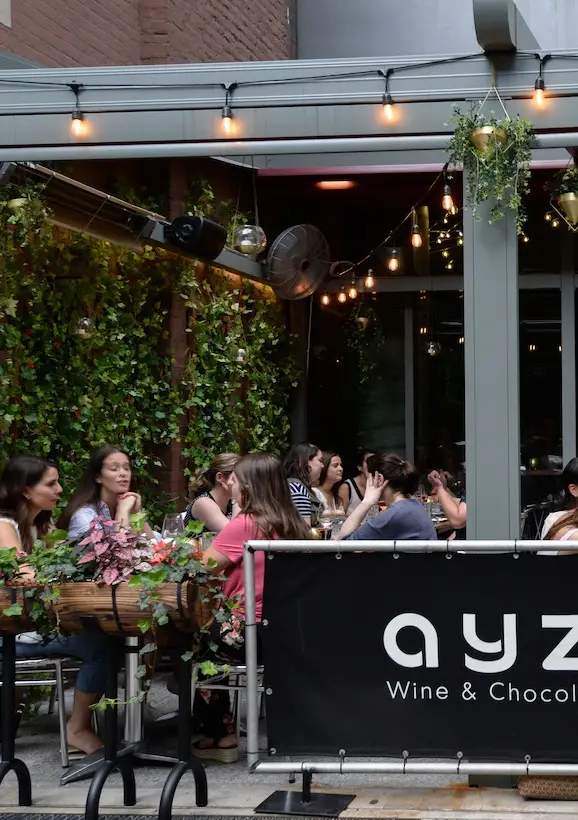
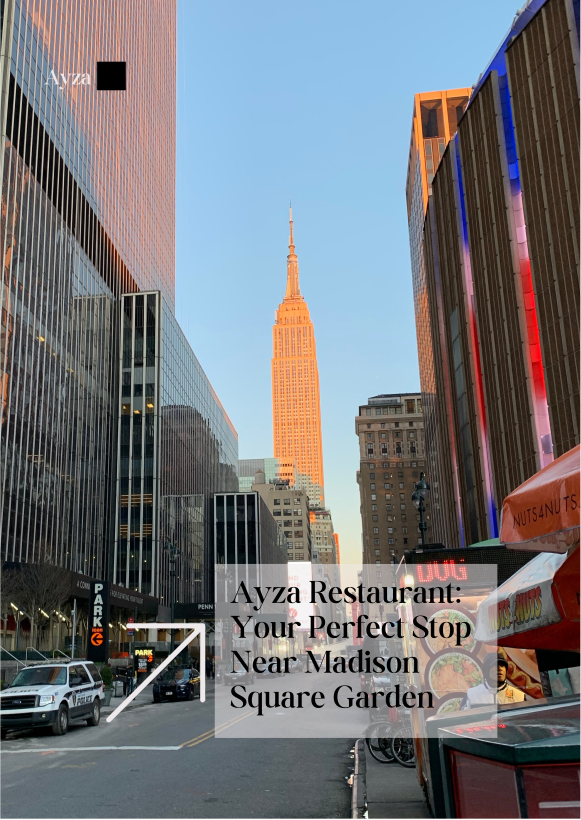
AYZA Wine & Chocolate Bar is a four minute walk from the Empire State Building. Here is the route, what...
Ayza Wine Bar NYC | Wine & Chocolate Bar in Midtown Manhattan



Almost every one of the common wine mistakes below comes from advice that was true once and stopped being true. “Serve red at room temperature” made sense when rooms were 60 degrees. “Let it breathe” made sense before anyone measured how little air reaches wine through the neck of a bottle. None of this requires equipment to fix. It requires knowing which piece of received wisdom to ignore.
Quick answer: The seven most common wine mistakes are serving reds too warm and whites too cold, storing bottles upright in a warm kitchen, launching sparkling corks, overfilling the glass, decanting the wrong things, pairing by colour instead of weight, and keeping opened bottles too long. Every one has a fix that costs nothing.
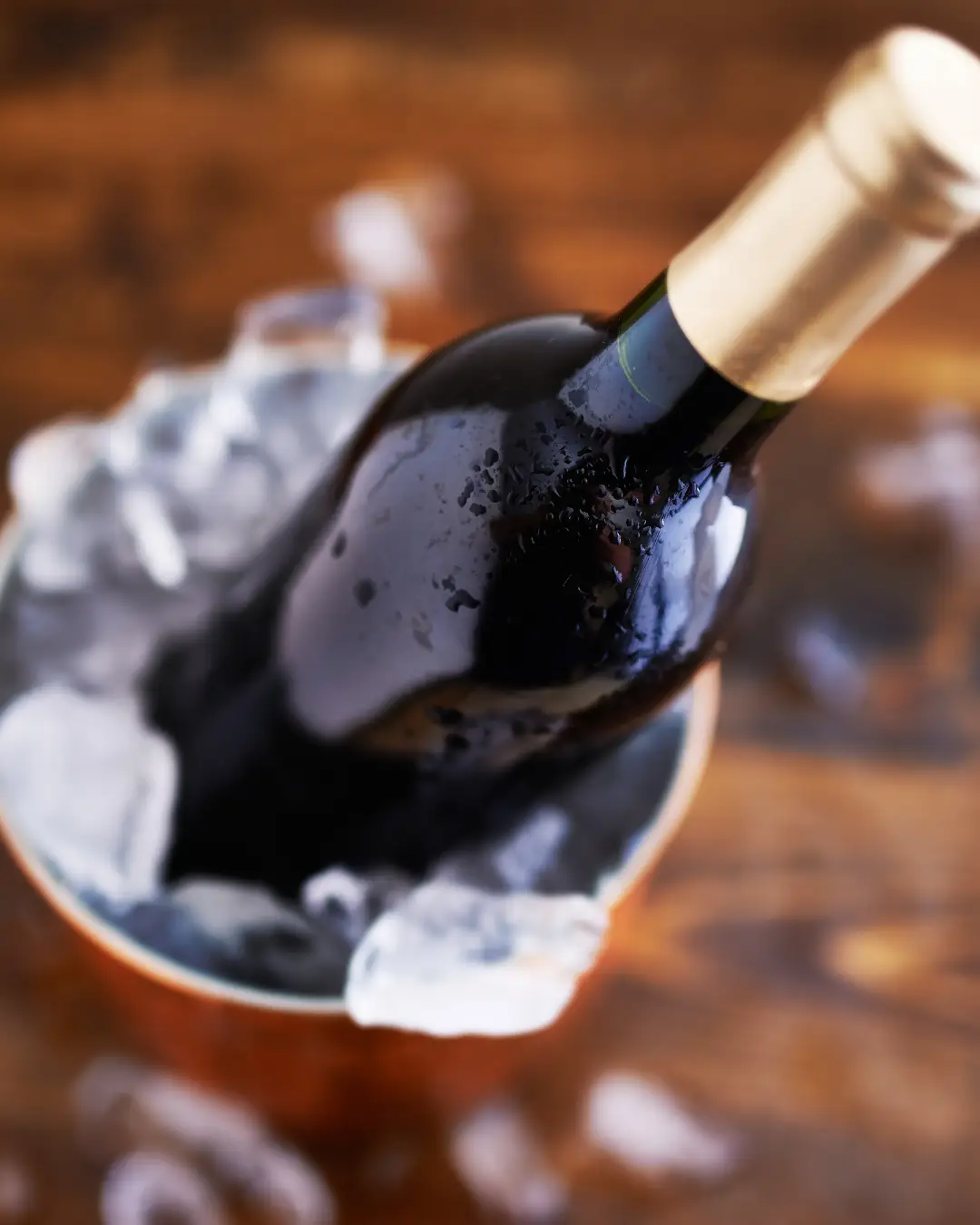
This is the single biggest one, and it is free to fix. A red served at 72 degrees tastes of alcohol and little else, because warmth makes ethanol more volatile. A white straight from a cold fridge tastes of nothing at all, because cold suppresses aroma. Both wines are fine. The temperature is not.
| Style | Serve at | Practical fix |
|---|---|---|
| Sparkling | 43 to 48 F | Straight from the fridge is right |
| Crisp white, rosé | 45 to 50 F | Out of the fridge 15 minutes before |
| Fuller white, oaked Chardonnay | 50 to 55 F | Out of the fridge 25 minutes before |
| Light red, Pinot Noir, Cabernet Franc | 55 to 60 F | In the fridge for 20 minutes |
| Full red, Cabernet, Malbec | 60 to 65 F | In the fridge for 10 to 15 minutes |
If you remember nothing else: put the red in the fridge for a quarter of an hour and take the white out for a quarter of an hour. Almost every bottle improves.
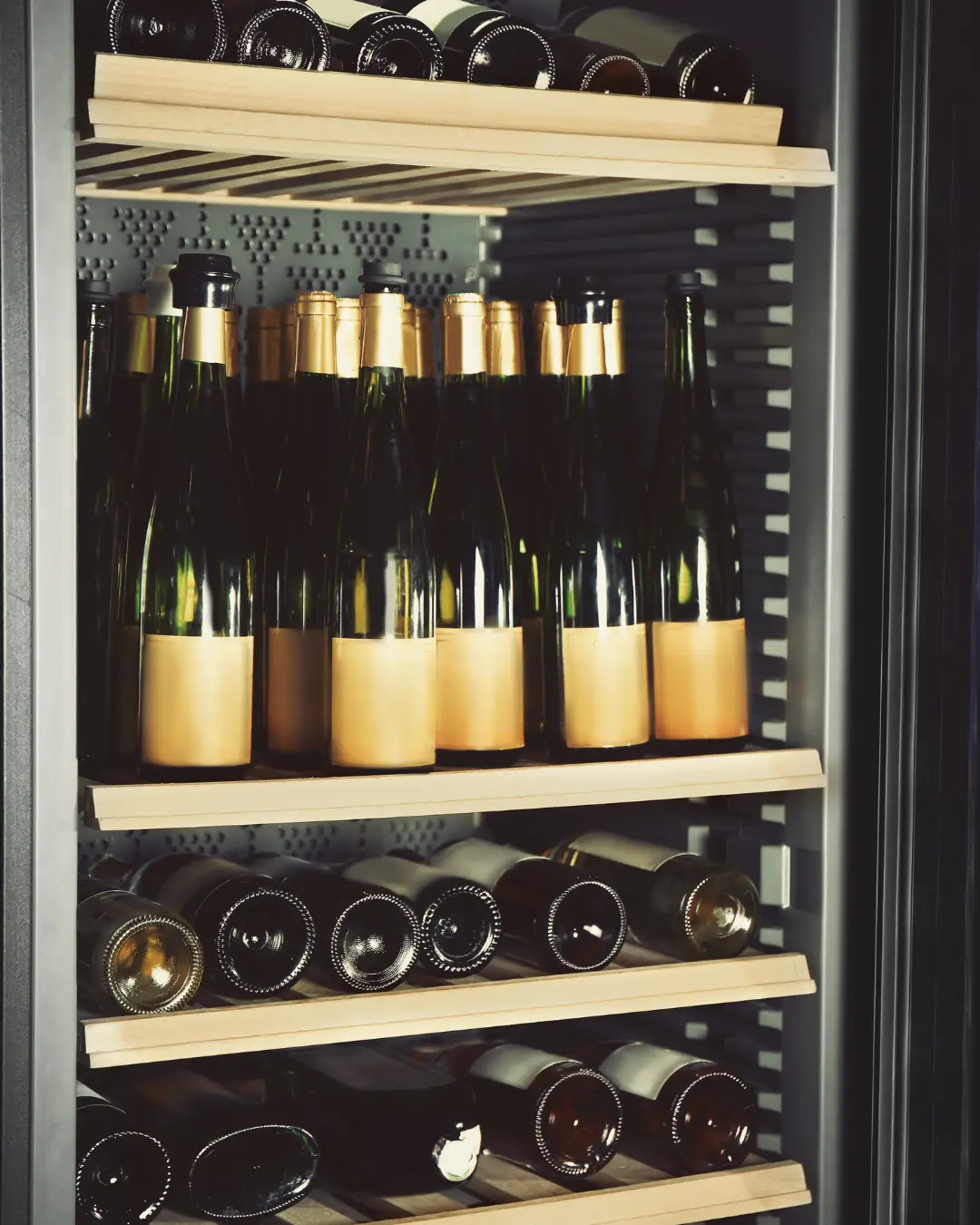
A wine rack above the oven looks good and is the worst place in the house. Heat ages wine prematurely, light degrades it, and temperature that swings up and down is worse than a temperature that is slightly too warm but steady.
Standing a corked bottle upright for months lets the cork dry out and shrink, which lets air in. Lay corked bottles on their side so the wine keeps the cork swollen. Screw cap bottles can stand upright indefinitely; there is no cork to protect. A cupboard on an interior wall away from the kitchen beats a display rack every time.
The bang is fun and it costs you the wine. A cork leaving at speed takes a surge of foam with it, and the bottle loses pressure, which means fewer bubbles in the glass. It is also a genuine eye injury risk at close range.
The method is simple. Chill the bottle properly first, because cold wine is less agitated. Remove the foil and loosen the cage, keeping a thumb over the top. Hold the bottle at about a 45 degree angle, pointing away from everyone. Grip the cork firmly and turn the bottle, not the cork. Ease it out until it releases with a soft sigh rather than a bang.
Generosity works against you here. A wine glass is shaped to collect aroma in the space above the liquid, and most of what you experience as flavour is smell. Fill the glass and there is no space for it, and no room to swirl without wearing the wine.
Pour to the widest part of the bowl, roughly a third full, which is usually around five ounces. For sparkling, pour down the side of a tilted glass in two goes so the foam settles. Restaurant tasting flights work in three ounce pours for exactly this reason: small measures, full aroma. Our guide to pouring wine properly covers group service and drip control.
Two mistakes live here. The first is pulling the cork an hour early and calling it breathing. The surface area exposed at the neck of a bottle is about the size of a coin, so almost no air reaches the wine. If you want air, pour it into something wider or simply swirl it in the glass, which is more effective than an hour of standing open.
The second is decanting everything. Young, tannic reds genuinely soften with air. Old reds can be fragile and may fade within twenty minutes of being opened up, so decant those only to separate the wine from its sediment, and pour them soon after. Light whites and sparkling wines need nothing at all.
Red with meat and white with fish is a rule of thumb that fails constantly. A light Pinot Noir works with salmon. A rich oaked Chardonnay works with roast chicken. What actually matters is weight, acidity and sweetness.
This is also why dry red wine with sweet milk chocolate is such a reliable disappointment, and why pairing flights are built chocolate first, wine second.
Oxygen is what improves a wine in the first twenty minutes and ruins it over the following days. An opened bottle left on the counter with the cork half in is usually finished by day three.
| Wine | Realistic window | How to store it |
|---|---|---|
| Sparkling | 1 to 2 days | Proper sparkling stopper, in the fridge |
| Light white and rosé | 3 to 5 days | Re corked, in the fridge |
| Full white and light red | 3 to 5 days | Re corked, in the fridge, out 15 minutes before |
| Full red | 3 to 5 days | In the fridge, whatever the colour |
| Port and fortified | Several weeks | Re corked, in the fridge |
Yes, the fridge, including for reds. Cold slows oxidation, and fifteen minutes on the counter brings the wine back to temperature before you pour. A teaspoon in the neck of a bottle does nothing, whatever you have been told.
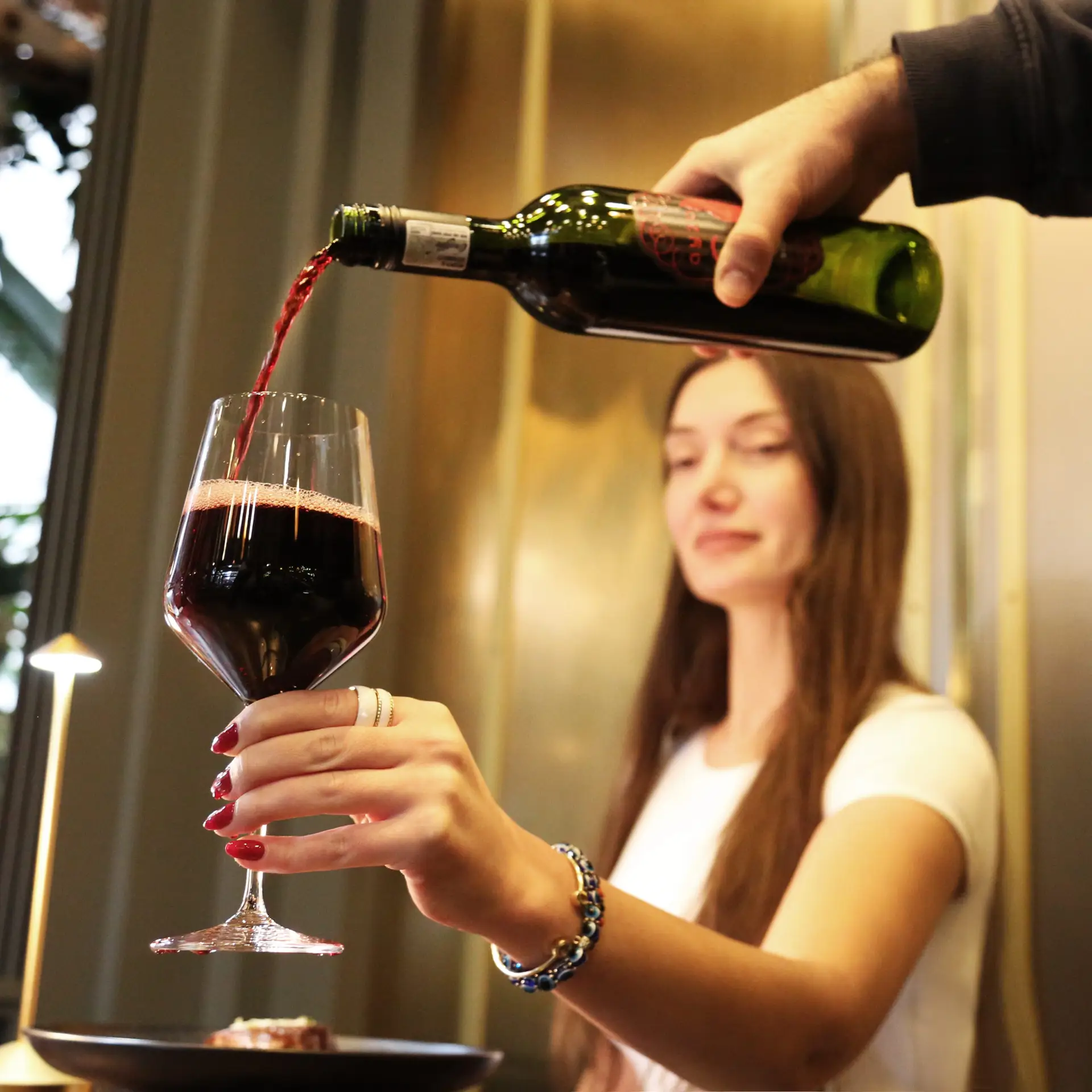
Above a modest threshold, price tracks scarcity, reputation and oak more than it tracks how much you will enjoy a particular bottle. A $16 Finger Lakes Cabernet Franc that suits your food beats a $60 bottle that does not. Buy for the meal and the mood, not for the number.
Naming a grape you half remember is how people end up with something they do not like. Describe what you want instead: bright or rich, dry or a little sweet, light or full, and what you are eating and roughly what you want to spend. Any decent server will find you something better than a guess. The cocktails and wines menu lists glass and bottle prices side by side, which makes that conversation easier.
Between 55 and 65 F depending on body. Light reds like Pinot Noir and Cabernet Franc sit at the cooler end. Fifteen minutes in the fridge before serving fixes most bottles.
Barely. The surface area at the neck is tiny, so very little air reaches the wine. Pour it into a decanter or simply swirl it in the glass instead.
Three to five days for most still wines if re corked and kept in the fridge, one to two days for sparkling with a proper stopper, and several weeks for port and fortified wines.
Yes. Cold slows oxidation, so an opened red keeps better in the fridge. Take it out about fifteen minutes before pouring to bring it back to temperature.
About a third, up to the widest part of the bowl, which is roughly five ounces. The empty space above the wine is what carries the aroma.
Chill it well, loosen the cage with a thumb over the cork, hold the bottle at 45 degrees away from people, then turn the bottle rather than the cork and ease it out.
Reading about common wine mistakes gets you halfway. Tasting three wines next to each other, at the right temperature, in the right glass, gets you the rest. A $33 flight at AYZA does that in twenty minutes, and guided tasting classes run one hour from $59 per person for booked groups.
Serving temperatures are general guidance rather than strict rules. Prices and tasting formats were checked against ayzanyc.com on September 9, 2026.