Wine Bar Near Empire State Building: Plan Your AYZA Visit
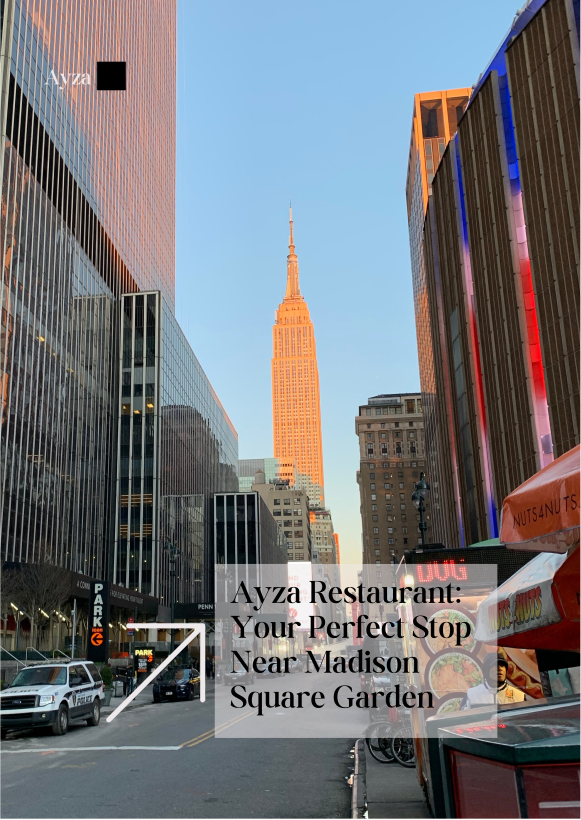
AYZA Wine & Chocolate Bar is a four minute walk from the Empire State Building. Here is the route, what...
Ayza Wine Bar NYC | Wine & Chocolate Bar in Midtown Manhattan


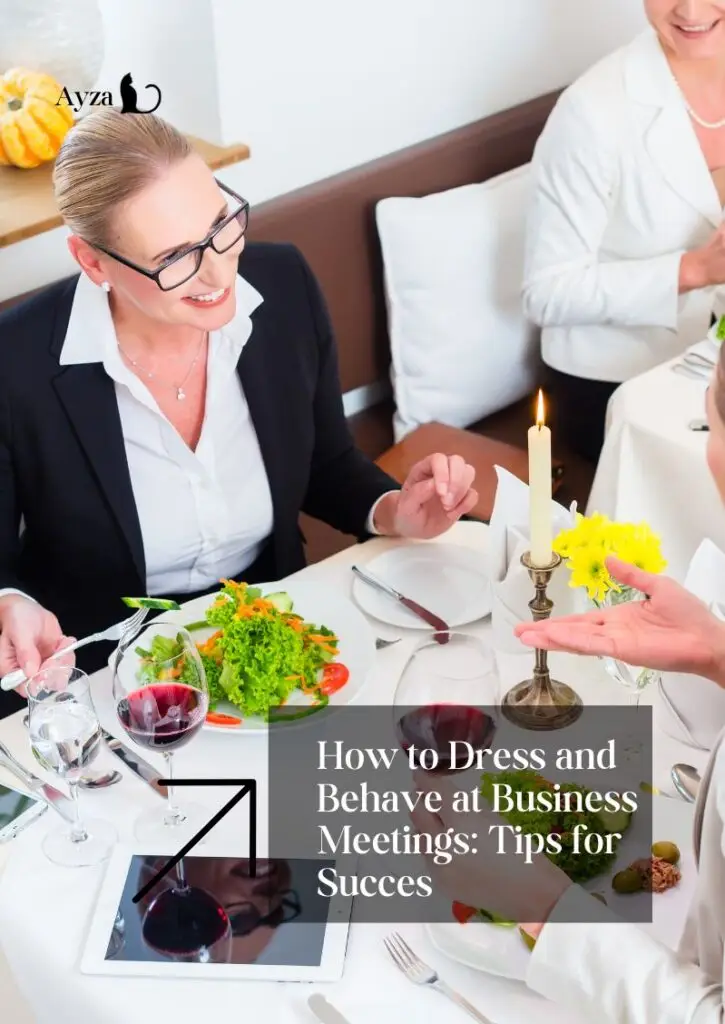
Business dinner etiquette has changed more in the last decade than in the fifty years before it. Dress codes softened, phones arrived on the table and then got sent away again, and the assumption that everyone drinks quietly disappeared. What has not changed is the underlying point: the dinner exists so that people can talk, and every rule below serves that.
Quick answer: Dress one step above the office. Arrive five minutes early. Let the host lead on ordering and order in the middle of the price range. Keep your phone off the table entirely. Match the table on alcohol or stay below it. Business comes after the main course, not before. The host settles the bill invisibly. Follow up within 24 hours.
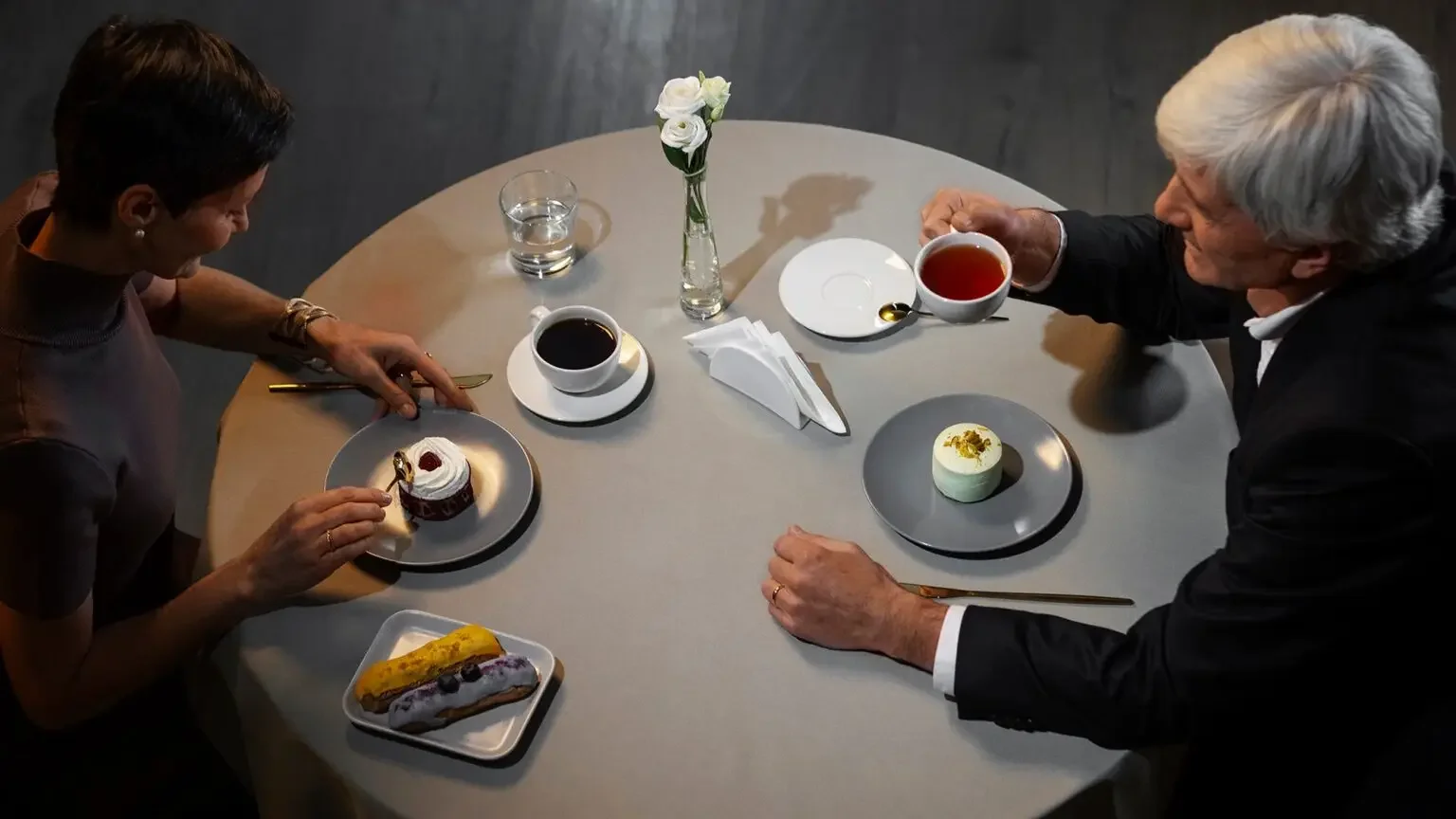
Five minutes of preparation removes most of the awkwardness. Look at the menu online, so you are not reading it for the first time while somebody waits. Check the address and how long it takes to get there, including whether the street is one people walk past. And if you have a dietary requirement, tell whoever booked before the day, not at the table.
If you are the host, do more. Ask about dietary requirements when you invite, state the finish time as well as the start, and choose somewhere with acoustics that let people hear each other. A restaurant that makes everyone repeat themselves has already ruined the meeting.
One step above your normal office standard is the reliable rule, and it survives every change in dress codes because it is relative rather than absolute. If your office is business casual, wear the smarter end of it. If your office is genuinely casual, add a jacket or the equivalent.
| Context | Aim for |
|---|---|
| Client dinner, first meeting | The smartest thing you would wear to work |
| Internal team dinner | Office standard, slightly tidied |
| Dinner after a conference | Whatever you wore, minus the lanyard |
| You genuinely do not know | Ask whoever invited you. It is a normal question |
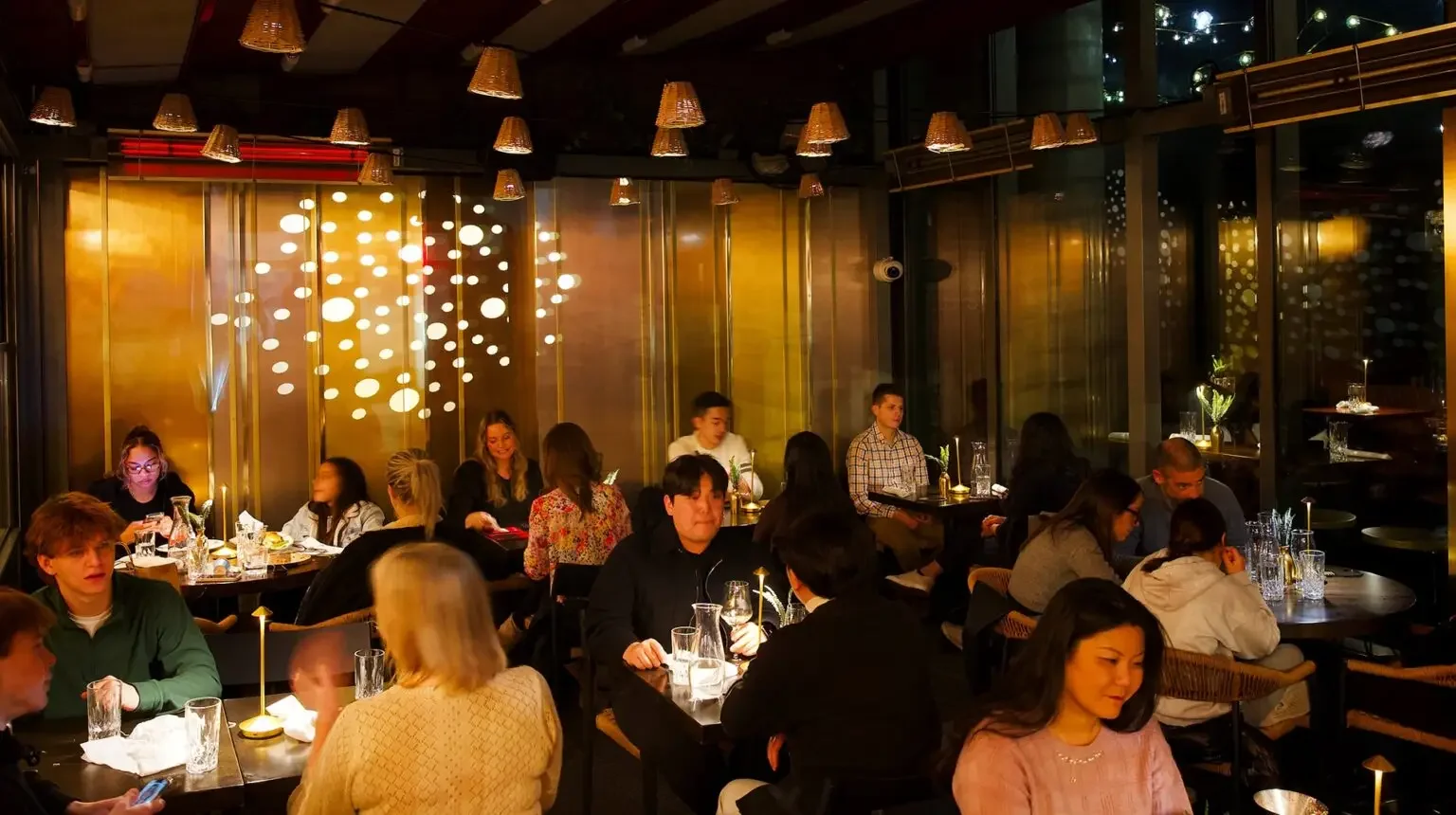
Two practical points. Check the restaurant’s own guidance if there is any, and consider whether you will be outdoors, since a heated garden in November is still a garden and a jacket is not optional.
Five minutes early if you are a guest, fifteen if you are hosting. Arriving first as host means you greet people rather than being greeted, and it gives you a moment to hand a card to the restaurant so the bill never reaches the table.
Wait to be shown to a seat rather than choosing one. If you are hosting, put the most senior guest where they can see the room and hear best, and avoid seating anyone directly next to a service route. Stand to greet people arriving, put your coat and bag out of the way rather than on a chair, and if there are more than four of you, make sure introductions happen once at the start rather than in fragments.
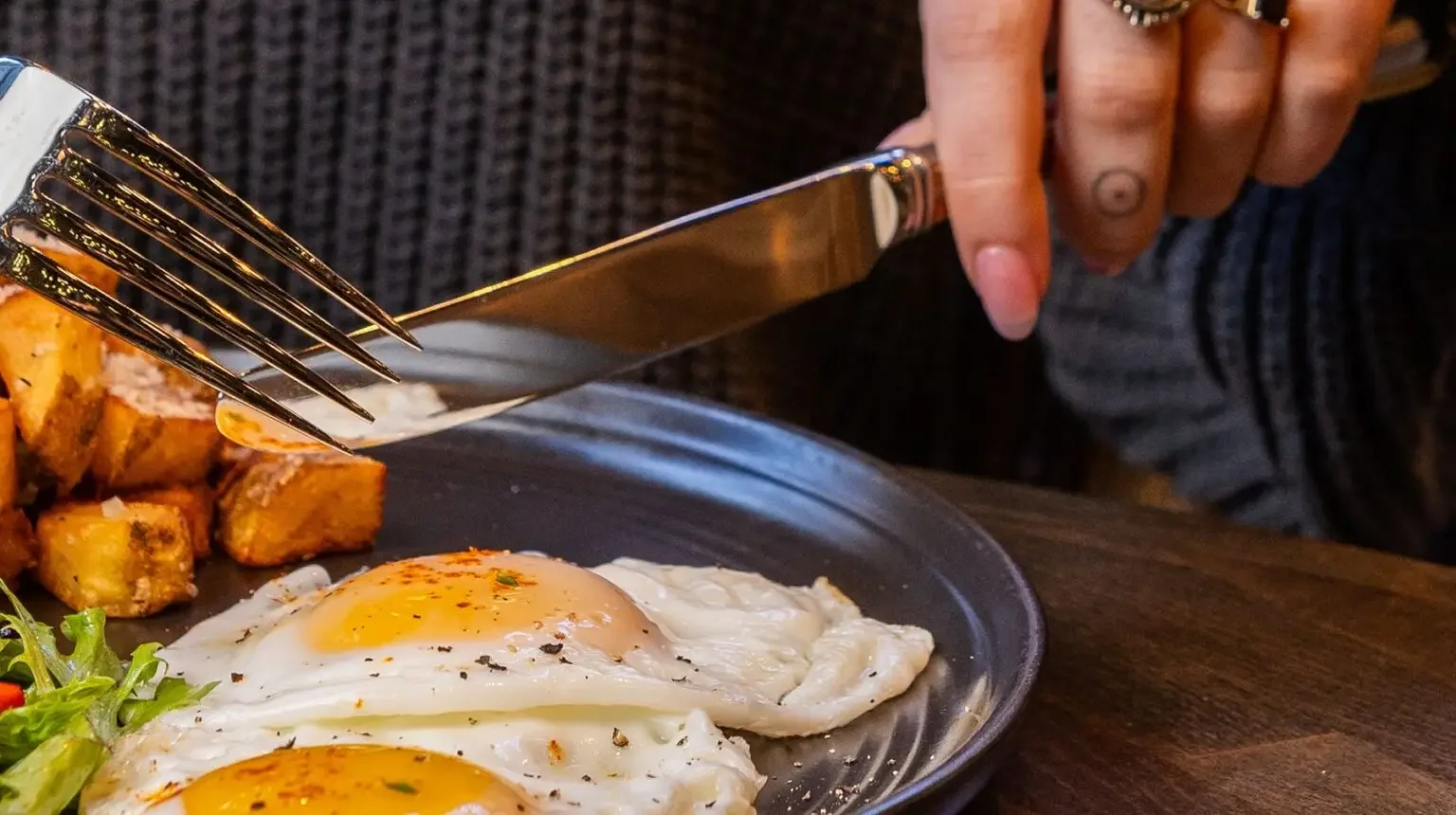
The host orders first and orders in the middle of the price range. That single move gives everyone else permission and stops the table anchoring on the cheapest thing out of politeness. As a guest, take the cue: match roughly the number of courses the host orders.
Choose things you can eat while talking. Anything that needs concentration, both hands, or a lot of attention is the wrong order at a working dinner, however good it is. Something for the table to start is a genuinely useful move, because it fills the first ten minutes and removes the pressure to open with business. At AYZA the Fromage Board is $35 and the Maison Board $39, and either takes 15 percent off a bottle of wine. Current dishes are on the dinner menu.
Ask about dietary requirements before ordering for a table, not after. And if you are the guest with the requirement, say it once, clearly, to the server rather than explaining it to the table.
The modern answer is that it should be a non event. As host, order a bottle for the table and a properly made non alcoholic drink at the same time, without asking anyone to declare a preference in front of colleagues. Two mocktails are on the drinks menu at $14, made to order rather than poured from a bottle.
As a guest, match the table or stay below it, and never above. As host, stay below it deliberately, because you are working. A bottle shared between four across two hours is a normal business dinner. Two bottles between three is a different event and not one anybody planned for.
Never comment on what anyone else is drinking or not drinking, and never top up a glass without asking. Both are small things that land much harder than people expect.
Face down on the table is not away. A visible phone changes a conversation even when nobody touches it, because everyone is aware of it. In a pocket or a bag is away.
If you are genuinely expecting something urgent, say so at the start in one sentence and then leave the table to deal with it. That is now completely normal and far better than glancing down repeatedly. Photographs of the group are fine if you ask; photographs of a whiteboard sketch on a napkin should be checked with everyone at the table first, because someone may not want it circulating.
After the main course, as a rule. The first part of the evening is for the room to settle and for people to become comfortable with each other, and jumping straight to the agenda undoes that.
As host, you decide when the shift happens, and it should be explicit rather than sly: a sentence that marks the change. As guest, wait for it. Two exceptions. If the dinner was clearly convened for a specific decision, say so early and keep the meal shorter. And if anything genuinely confidential is involved, do not discuss it at a restaurant table at all; book a private space instead.
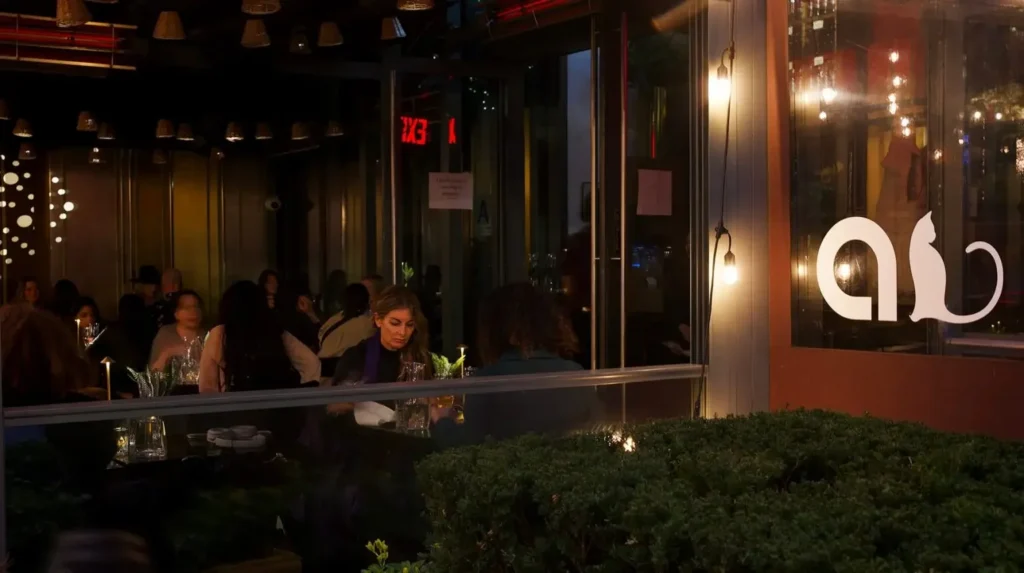
This is watched more closely than anything else at a business dinner, and it is the part people report back on. How someone speaks to a server is read as information about how they will behave when something goes wrong on a project.
Make eye contact, say please and thank you, and do not click, wave or interrupt. If something is wrong with an order, raise it calmly and once. If something goes wrong that is nobody’s fault, be visibly relaxed about it. And do not perform expertise: correcting a server’s pronunciation of a wine makes you look worse than not knowing.
Whoever invited pays, and it should be invisible. Hand a card to the restaurant on arrival, or step away briefly near the end. The moment a bill lands in the middle of the table, the tone changes and someone feels obliged to offer.
As a guest, offer once, lightly, and then let it go. Insisting past a polite refusal makes the host’s job harder. If the dinner is being split between organisations, agree that before the evening rather than at the table. And if you need an itemised receipt for expenses, ask for it when you pay rather than afterwards.
Within 24 hours, and short. Thank them, reference one specific thing from the conversation so it does not read as a template, and confirm any action you agreed to. Three sentences is plenty.
If you promised to send something, send it in the same message. A follow up that says you will send something later is a second thing to remember, and most of the value of a business dinner leaks away in the week after it.
One step above your normal office standard. If your office is business casual, wear the smarter end of it. If it is genuinely casual, add a jacket or the equivalent.
The host, and in the middle of the price range. It gives everyone else permission and stops the table anchoring on the cheapest option out of politeness.
Match the table or stay below it, never above. As host, stay below deliberately. Order a proper non alcoholic option at the same time so nobody has to declare a preference.
No. Face down is not away. If you are expecting something urgent, say so in one sentence at the start and leave the table to deal with it.
After the main course, with an explicit shift marked by the host. If the dinner was convened for a specific decision, say so early and keep the meal shorter.
Whoever invited. Hand a card to the restaurant on arrival or step away to pay near the end, so the bill never arrives at the table. Guests offer once, lightly, then let it go.
Good business dinner etiquette is mostly the host removing friction in advance. Book somewhere quiet enough to talk, ask about dietary requirements when you invite, and settle the bill before it reaches the table. For six or more, or anything confidential, book a private space instead.
Menu items and prices were checked against ayzanyc.com on September 9, 2026. Etiquette conventions vary by industry and culture; read the room you are in.